

Sustainable IT
Digital technology and rare metals: the real issues behind our IT equipment
Behind our computers and smartphones lies a growing dependence on rare metals. What are the impacts?

Sophie Fruleux
October 30, 2026
 Demander une démoUne démonstration sur vos données, avec un expert du groupe Leasetic.
 Données ESG : transformer l’obligation en opportunitéÀ lire sur le blog.



Behind our computers and smartphones lies a growing dependence on rare metals. What are the impacts?

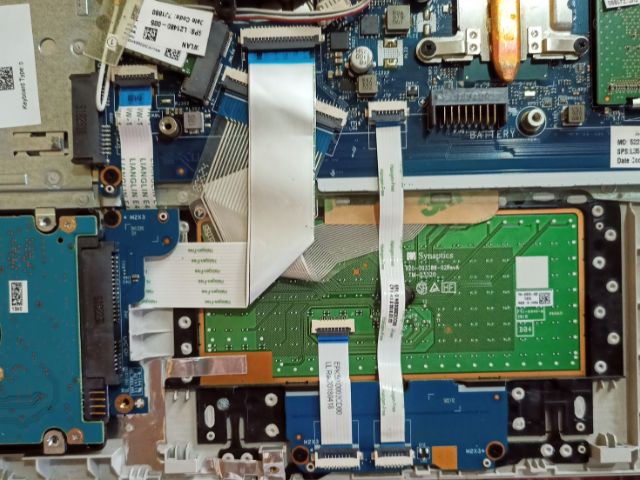
There is nothing immaterial about digital technology. Behind every laptop, smartphone, server or router lies a mineral and energy reality. It is estimated that a single smartphone contains around fifty metals: copper, cobalt, lithium, rare earths, gold, silver and tin, but also gallium, germanium and tantalum.
IT equipment thus uses nearly 50 different metals, around twenty of which are considered critical because of their scarcity, strategic importance or geopolitical concentration. This growing dependence places digital technology at the heart of natural resource issues.
As the number of digital devices grows and their power increases, demand for strategic metals is soaring. Digital technology, presented as “dematerialized”, turns out to be a sector heavily dependent on raw materials.
Global demand for metals for digital technology is growing at a staggering pace. Ademe and other forecasting bodies estimate that consumption of certain metals could increase by 200% to 3000% by 2050.
Critical metals for IT equipment include:
On top of this criticality comes strong geopolitical dependence. China controls nearly 95% of global rare earth production, while cobalt mining is concentrated in the Democratic Republic of the Congo, often in problematic social and environmental conditions. This concentration increases the risk of supply chain tensions and raises questions about Europe's digital sovereignty.
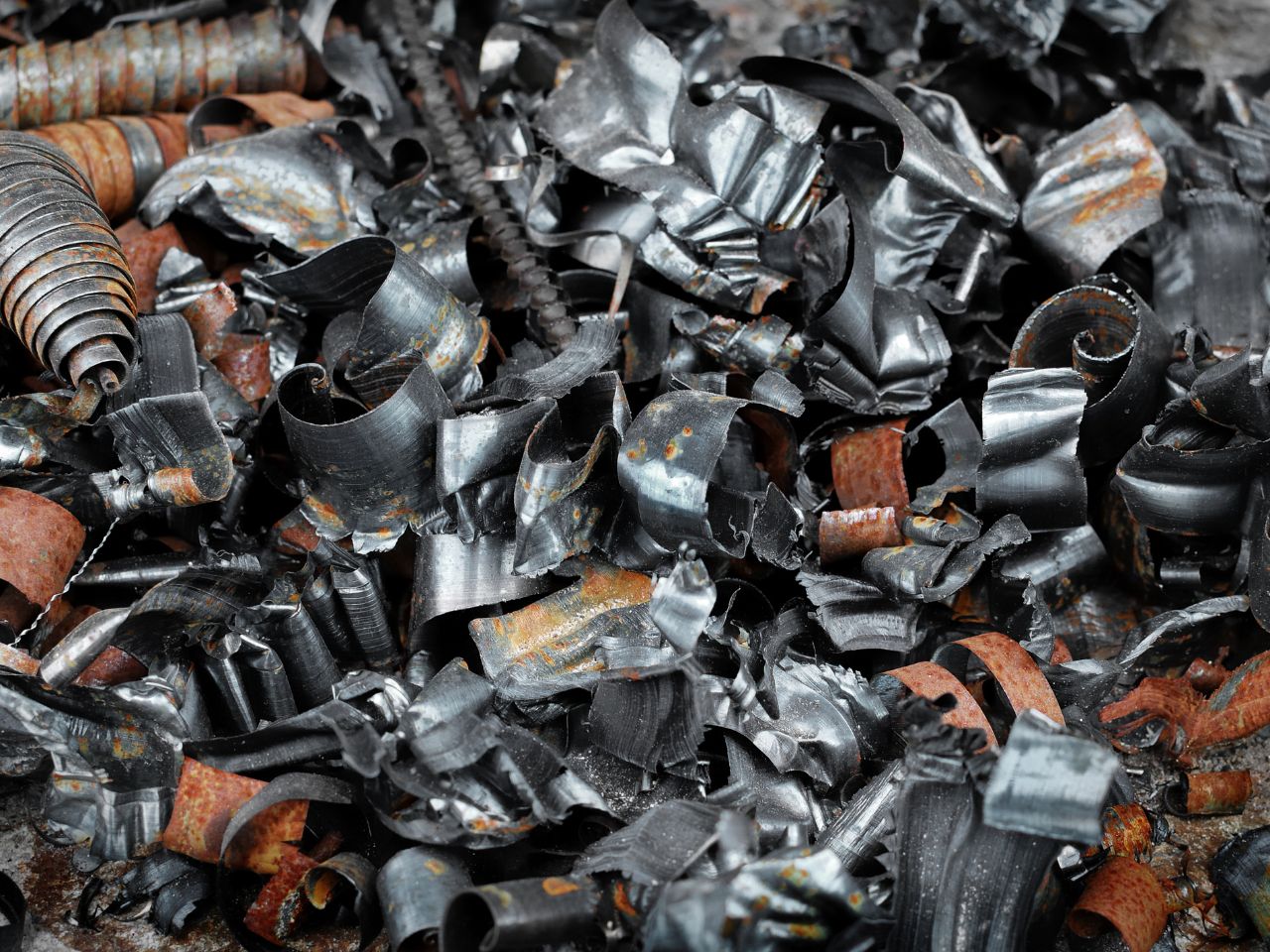
Extracting and refining rare metals has a considerable environmental cost. Producing a single kilo of rare earths requires several hundred liters of water and massive amounts of energy. Extraction processes also generate toxic mining waste that pollutes soil and groundwater for the long term.
These impacts feed into the carbon footprint of digital technology, particularly in companies' Scope 3, which covers the manufacturing of IT equipment. For example, producing a laptop represents around 300 kg CO₂e, a large part of which comes directly from the extraction and processing of metals.
In other words, most of the environmental impact of our equipment occurs before it is even used for the first time.
With demand rising, recycling might seem like an obvious answer. Yet the reality is quite different: today, less than 1% of rare earths are recycled worldwide.
Several obstacles explain this:
Even when metals are recovered from electronic waste, there is no guarantee they will be reused in new digital equipment. In its current state, recycling cannot therefore offset the exponential increase in demand.
Given these limits, one conclusion is clear: the solution lies not only in recycling but above all in digital sufficiency and extending the lifespan of equipment.
There are many levers:
Regulators such as Arcep and Ademe regularly point out that reducing the impact of digital technology will depend above all on sufficiency and eco-design strategies.
At Colibris, we are convinced that responsible digital practices cannot simply be decreed: they are built step by step, with the right tools and a clear vision.
Our platform allows you to:
By acting on rare metal consumption through responsible equipment management, Colibris helps companies reconcile digital performance and ecological transition.
Rare metals are at the heart of our digital equipment, but their extraction and scarcity raise major environmental, economic and geopolitical issues. Recycling will not be enough to meet growing demand: the real solution lies in sufficiency, eco-design and extending the lifespan of equipment.
Contact Colibris to turn your IT fleet into a lever for sufficiency and concretely reduce the hidden impact of your IT equipment.


